Back to blogs

Why Every Groom Should Do a Trial Fit Before the Big Day
Introduction
The groom is constantly in the spotlight on the day of the wedding because cameras record everything he looks. It is easy to see small fitting issues such as shoulders that aren't lined up perfectly. This means that adjustments to pain may have been avoided during lengthy wedding celebrations. A dedicated groom trial fitting can make exact changes to mobility. It checks that the outfit fits well.
What Is a Groom Trial Fit?
A groom trial fit is scheduled before the wedding day when the groom can try on his entire suit. All of this includes the shoes and sherwani or suit at the same time. It is easier to judge the outfit's proportion and overall style when you can see everything.
The most important thing about the testing is how well the clothes fit around the neck and shoulders. The groom also observes how comfortable both of them are when they are walking and completing ritual tasks.
During the same session, the accessories are also tested to make sure they are in the right spot and working together. They wear a safa, mala, brooch, stole, and shoes with the outfits to see if they look nice together.
The pants have been curved and the sleeve length has been fixed. This detailed approach makes sure that you are both comfortable. A groom trial fitting makes sure that the finished suit is ready for the event.
Why Skipping a Trial Fit Is Risky?
Fit Issues - If the groom doesn't try on the suit before the wedding, sizing concerns typically go unnoticed until the day of the wedding. Sherwanis might pull at buttons, sleeves might look too short, or pants might break in the wrong way. The way the fabric hangs over the shoulders or chest changes the shape of the body and the way you stand. These defects in appearance are easy to see in pictures and on stage.
Comfort Problems - Clothes that are appropriate for short periods of time can become uncomfortable during protracted ceremonies and rituals. Collars that are too tight, too many layers, or fabrics that are too stiff can make you uncomfortable and tired after a few hours. The groom may have to change his clothes a lot, which can hurt his confidence and natural movement. If you skip a trial fit, you won't be able to test how comfortable it is in real life.
Styling Mistakes - When you wear colour tones and accessories together in real life, they typically look different from when you wear them separately. The size of the safas, the length of the malas, or the placement of the brooch may not seem right. These problems only show themselves on the wedding day, not during the trial. At the last minute, it's hard to fix styling harmony.
Last-Minute Panic - If there are problems with the fit on the day of the event, there won't be much time to make changes. Under pressure, tailoring fixes may be hasty or not done well. The groom has to deal with stress that may have been avoided before the key ceremonies. A trial fitting eliminates last-minute changes and makes sure you are calm while getting ready.
Key Areas to Check During a Trial
Shoulder Fit - Shoulders should line up perfectly with the natural shoulder edge, with no overhang or pulling. A proper fit at the shoulders makes the sherwani or jacket structured and balanced. Misalignment changes your posture and silhouette right away. This section is what gives the whole garment its form.
Sleeve Length - Sleeves should stop at the wrist bone yet still let the arms move naturally. In pictures, sleeves that are too short look strange, and sleeves that are too long hide the shape of the hands. The right length keeps the arms and torso in proportion. Trial modifications make sure that the visuals are accurate.
Trouser Break - There should be a clean break in the pants above the shoes. Extra fabric that bunches up looks messy, and short pants look like they aren't finished. The hem must work for both standing and walking. Tapering correctly makes the line of the leg look better and more elegant.
Collar Comfort - The collar should fit tightly without strangling, pushing, or leaving holes around the neck. Collars that are too tight make you tired throughout long ceremonies. Collars that are too loose make things less structured and polished. Comfort here has a direct effect on confidence and how easy it is to smile.
Movement & Sitting Test :- During the trial session, the groom should walk, sit, bend, and lift his arms. This shows hidden tightness or fabric constraint. Different types of movement are involved in wedding traditions. Mobility testing ensures that people are comfortable doing things that happen in real life.
Accessory Coordination :- The attire must include safas, malas, brooches, stoles, and shoes. Only when combined do scale, positioning, and colour harmony become obvious. This stops things from becoming too unbalanced or too styled. The final look seems planned and put together.
Sherwani vs Suit Trial Differences
Trial works for sherwanis and suits focus on different elements of structure because the shapes and design features of these two types of clothing are very different. Different kinds of outfits proceed with accessories and body shapes in different ways. This makes sure that formal and ethnic clothes appear excellent together.
Sherwani Trial - Sherwani fitting emphasizes the overall length balance between height and leg proportion. The hem should fall at a nice level without making the frame shorter. The embroidery on the front opening and chest must be in the same area on both sides. The ratio of Safa's alignment with the width of her shoulders and the shape of her face is also looked at.
Sherwani testing also check how the flare and layers perform as you sit and walk. When you reduce heavy needlework, you should try to keep it from being tight. Renting a high-quality wedding sherwani with an initial duration is the best way to make sure that these cultural adjustments are just appropriate.
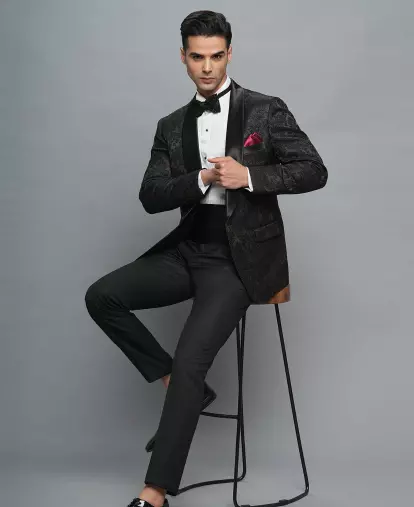
Suit / Tuxedo Trial :- Testing for suits and tuxedos focuses on the shape of the lapel, the contour of the shoulders, and the waist size. Lapels shouldn't pull or gape over the chest; they should lie flat. The taper and break of the pants dictate how crisp and modern the leg line is. These details define the accuracy of formal tailoring.
The collar roll on the jacket and the gap between the shirt collar and the jacket collar are also very important when fitting a tuxedo. The shirt shouldn't bunch up or leave a big gap at the neckline of the jacket. There must be a small cuff percentage visible in the sleeve exposure. These exact changes to the style are necessary for tuxedos and tailored suits for cocktail and reception celebrations.
When Should a Groom Do a Trial?
Between three and four weeks before the wedding is the best time for a groom's trial fitting. You have plenty of time to make alterations and test for comfort with this schedule. It also makes sure that the outfit shows the last choices for body size and style.
In Delhi, Bangalore, and Hyderabad are among of the busiest months for weddings, it is harder to fit in alterations and modifications. Making plans for trials ensuring they are done appropriately and with care. There is a buffer period after the session during which changes can settle in on their own. This plan makes sure that the groom's attire are ready for the event and are well-balanced.
How Rental Fashion Makes Trial Fits Easier?
Rental fashion makes it easy for men to try on clothes by allowing them to schedule based on the date of the wedding. These appointments make sure that you can try on the full dress and accessories. During the session, professional stylists show you how to check the fit and make sure the styles go well together.
It normally takes less time to make alterations after rental trials because the products are ready to be fitted to your exact measurements. Rentals also put up outfits for a number of events in one fitting flow. This step-by-step technique helps the groom's style be successful and well-organized.
Trial Fit Checklist
- Check the positioning of the shoulder seam right at the edge of the natural shoulder.
- Make sure the sleeve stops right at the wrist bone.
- Check entire arm movement without pulling or blocking it.
- Test the comfort of sitting and walking in the outfit
- Check the scale, location, and visual balance of the accessory.
- Make sure the shoes match the length and design of the pants.
Final Groom Confidence Angle
There is no room for vanity or perfectionism at a groom's trial fitting. It is a smart step that will make sure that everything looks well, feels good, and is confident on the wedding day. When clothes fit well, it's easy to move about and your posture gets better. This is clear in both images and on stage.
Planning a trial as part of the wedding preparation shows that you are ready and have thought things through, not that you are paying too much attention. It keeps you from making stylistic blunders that aren't needed and from getting stressed out at the last minute. After the fit is confirmed, the groom can focus on the important moments, traditions, and celebrations. In short, trial fitting is a smart way to get ready for the wedding.
FAQs
Is a trial fitting necessary for a wedding sherwani?
Yes, a trial fitting ensures that the length, shoulder alignment, sleeve proportion, and comfort are all right. Only pre-wedding trials can tell for sure if sherwanis have the right drape and balance.
How many days before the wedding should a groom do a fitting?
A groom should make an appointment for a fitting three to four weeks before the wedding. This gives you time to make changes, coordinate accessories, and test for comfort one last time without feeling rushed.
What should I check during a suit trial session?
Make sure the neck is comfortable, the sleeves are the right length, the lapel roll is right, the trousers break, and the shoulders are in the right place. Also check to see if the shirt cuffs are visible and if the overall silhouette is balanced when standing naturally.
Can rental outfits be altered after a trial fit?
Yes, rental clothes may usually be adjusted once you try them on. Quick changes to the sleeves, waist, and length are made to get the perfect fit before the wedding.
What happens if the outfit doesn’t fit on the wedding day?
If an outfit doesn't fit on the day of the wedding, you will need to make last-minute changes or get a new one. Trial fittings make sure of the right size and comfort ahead of time, which lowers this danger.
Are trial sessions available in Delhi, Bangalore, and Hyderabad?
Yes, many big wedding marketplaces, like Delhi, Bangalore, and Hyderabad, offer groom trial sessions. Rental studios and tailoring teams help with fits before the big day.
Can I schedule multiple fittings for engagement and reception outfits?
Yes, grooms can schedule more than one fitting for their engagement and wedding attire. Separate trials make sure that the clothes for each event fit properly and are appropriate for the style of the event.